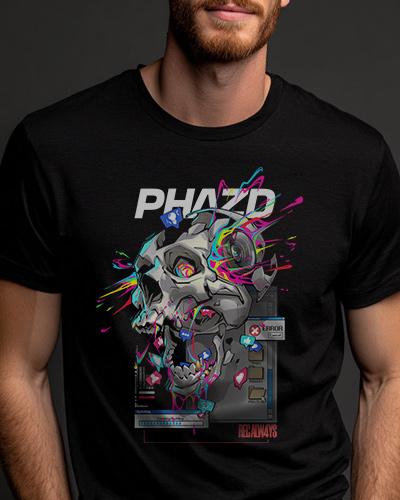
The difference between a merch store and a brand
There are two different products a creator can sell. One says: support me. The other says: this is worth owning. Both are real. Only one builds something that lasts beyond the relationship.
When a creator sells merchandise built primarily around their own logo, the product is doing a specific job: expressing loyalty. The audience buys it because they want to support the creator, and the garment is the vehicle for that. That's a real transaction and there's nothing wrong with it. But the product's value is tied entirely to the relationship — not to the object itself.
The platform model
Platforms like Fourthwall, Spring, and Shopify creator stores solved a real problem: they made it possible for any creator to launch merchandise without inventory, fulfillment infrastructure, or upfront cost. That's genuinely useful. The model they optimized for is accessibility and speed — which means the quality decisions get made by the platform, not the creator.
The result is a product where the quality ceiling is set by the platform's supply chain. That's not a criticism of the platforms — it's what the model is for. But it means the creator's taste and standards don't determine what the customer holds in their hands.
When the product isn't good enough to stand on its own, the brand can't grow beyond the creator's existing audience. You can't acquire new customers with a product that only makes sense if you already love the person who made it.
What it takes to build the second kind
The second kind of product — the one that earns its place independent of who made it — requires the creator to treat the garment with the same deliberateness they treat their content. The blank has to be chosen, not just accepted. The design has to be considered, not just printed. The quality has to be high enough that someone who doesn't follow the creator would still want it.
That's a different undertaking entirely. It requires taste, time, and the willingness to treat the product as a product — not as a support mechanism or a revenue line. Most creators are already running at capacity. Building a brand on top of that is genuinely hard.
That's the gap PHAZD was built to fill — not for creators to run their own merch operation, but to give creators a brand that already did that work. A brand that understands their world, chose the right materials, and doesn't require them to become a fashion company to be part of it.