

Why every artifact weighs what it weighs
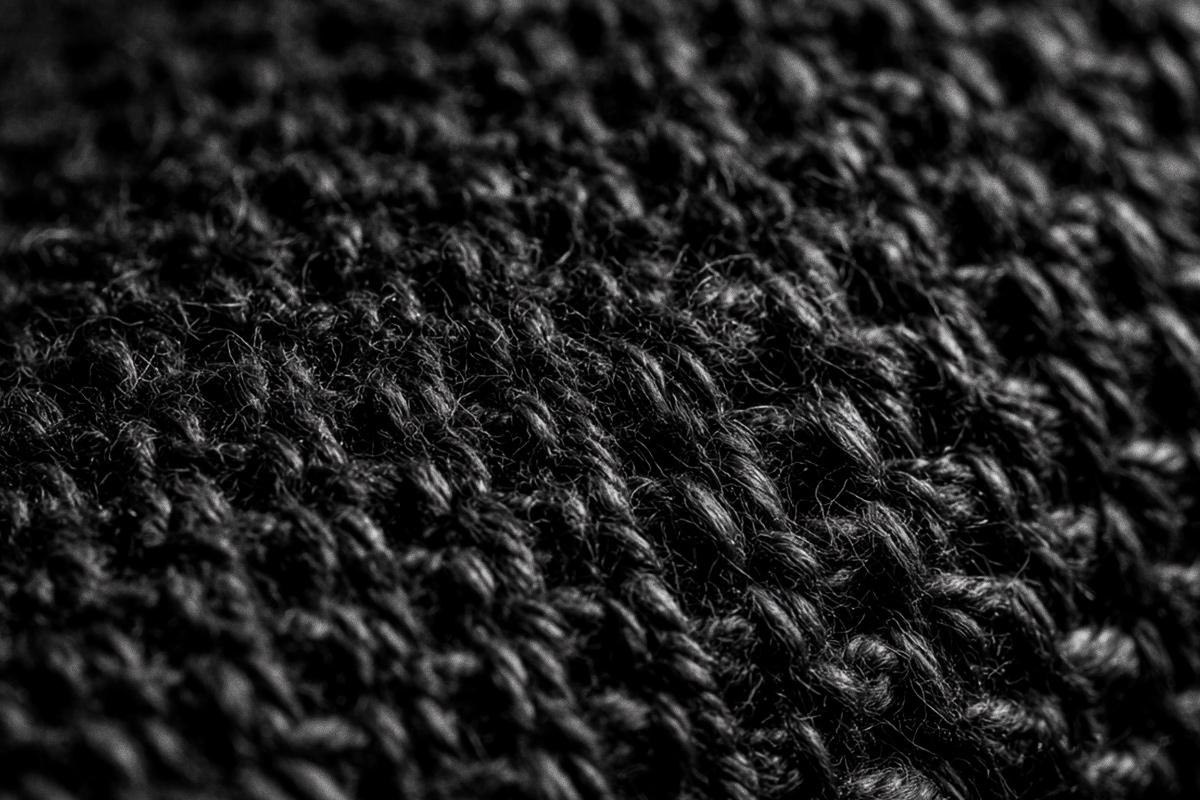
There is a number on every piece of fabric ever made. You've probably never seen it. It matters more than almost anything else in how a garment feels, holds up, and wears over time.
There is a number on every piece of fabric ever made. You've probably never seen it. It matters more than almost anything else in how a garment feels, holds up, and wears over time.

Most brands that claim sustainable cotton leave it at that. A badge. A word. No explanation. The reality of how cotton is grown, certified, and graded is genuinely complicated — and worth understanding if you're paying for something that's supposed to last.

Most clothing brands guess. They project how many units they'll sell, manufacture that volume upfront, and hope they're close. PHAZD works differently.

The word 'anyway' is doing all the work. Anyone can build when the conditions are right. The people PHAZD was made for build when they're not.

There are hundreds of millions of people actively creating with modern technology right now. Developers, founders, producers, game devs, digital artists, AI builders. They have no brand. Not a brand that puts someone else's logo on them — a brand that actually understands who they are. That gap is not an accident.

Some identity is carried in phrases, not symbols. The sentences your tribe uses every day — sometimes as a joke, sometimes completely seriously — are a different kind of artifact. They're the insider language that does what no logo can.

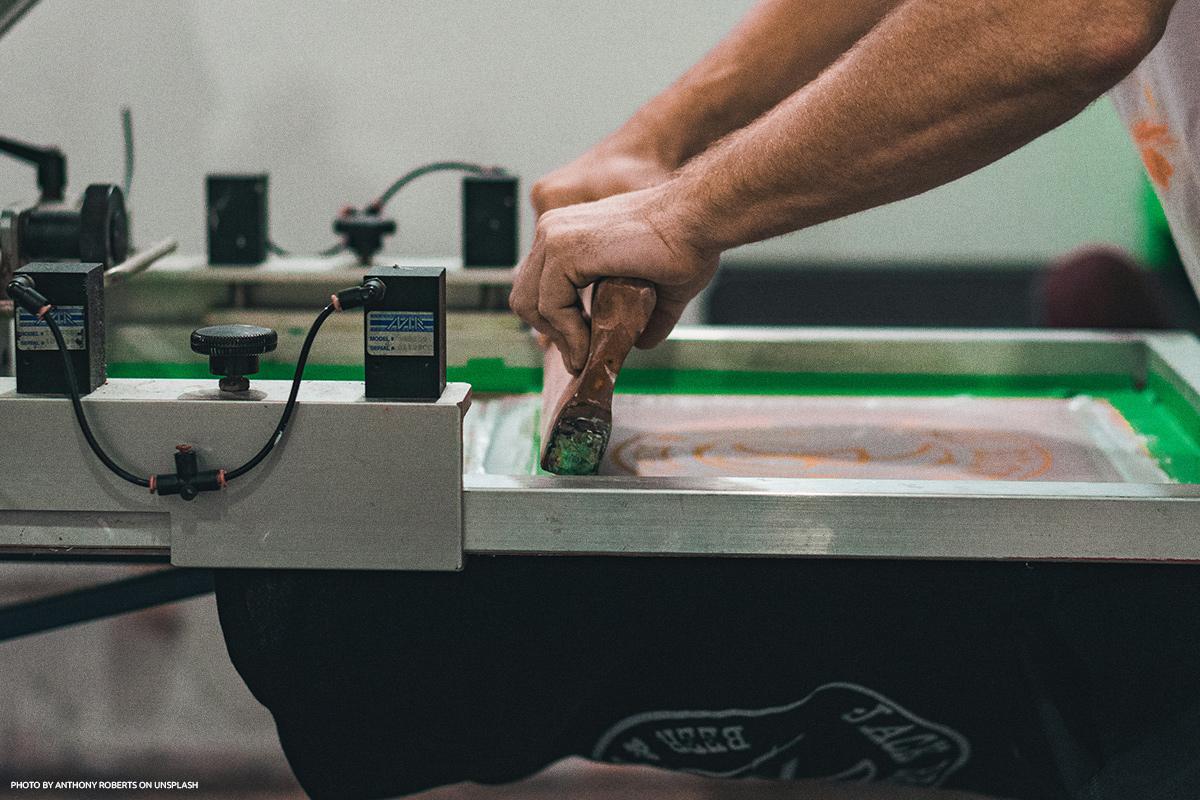
Three methods. Every apparel brand uses at least one of them. Most brands don't explain what they chose or why. Here's what each process actually does to the garment — and why it matters for what you end up wearing.

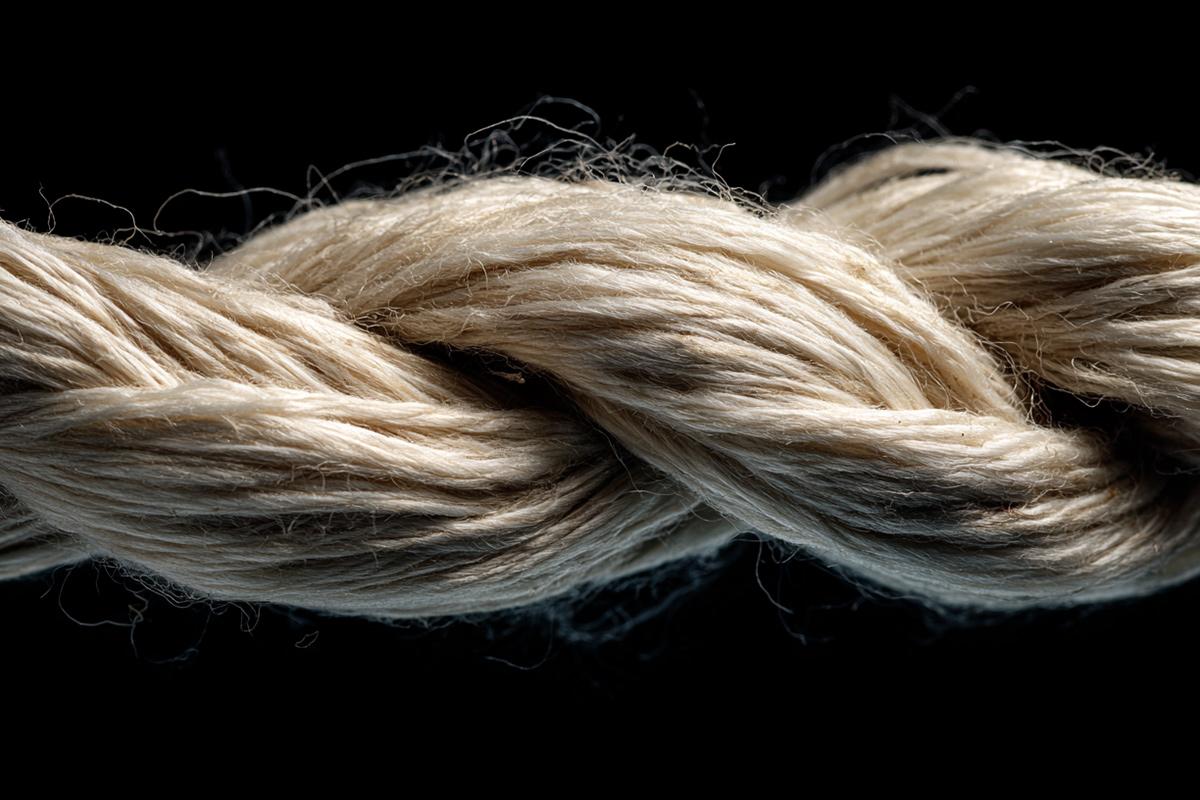
It's on almost every premium garment label. Most people who buy those garments have no idea what it means. It's not marketing language — it describes a specific manufacturing process that produces a measurably different fiber. Here's what it actually is.

Two garments can use identical fabric and still have completely different lifespans. The difference is in the construction — seams, stitching, finishing. These details are invisible at the point of purchase and obvious after two years of wear.

There are two different products a creator can sell. One says: support me. The other says: this is worth owning. Both are real. Only one builds something that lasts beyond the relationship.

Supreme charges $60 for a t-shirt with a box logo. Stone Island charges $400 for a jacket with a compass patch. Neither of them spends much time explaining why. They don't have to — the product makes the argument. Here's what they're actually doing that most brands aren't.

Mass production is cheaper per unit. Everyone knows that. What's less discussed is what that per-unit saving actually costs — in unsold inventory, in waste, in the capital tied up in product that may never sell. Made-to-order is more expensive per unit and less risky at every other level.

Swag is what you get. Identity is what you choose. The distinction sounds simple. In practice, the apparel industry has spent decades blurring it — and the tech industry has built an entire marketing channel on the confusion.

Every tribe has a uniform. Builders have the hoodie. Not because someone decided it — because it emerged from the culture organically and became a signal so consistent it's practically a cliche. Understanding why it happened tells you something real about what the people wearing it actually value.