
Why every artifact weighs what it weighs
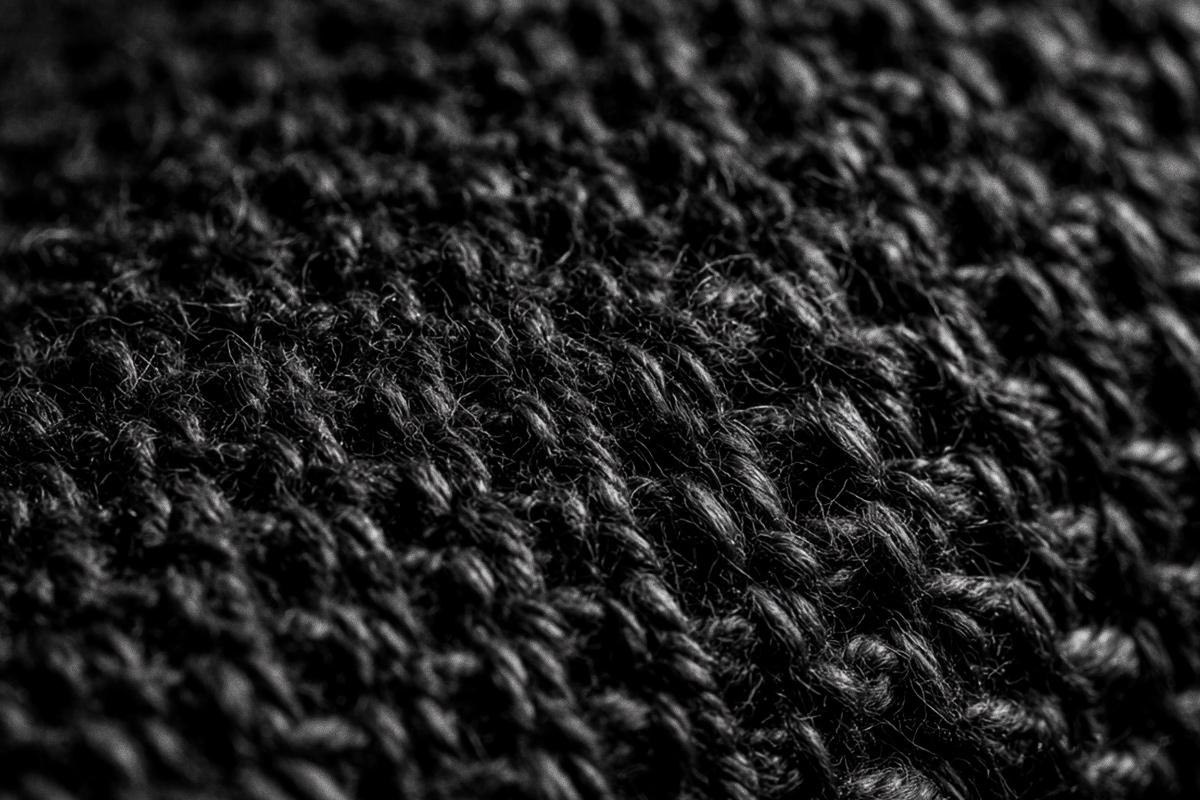
There is a number on every piece of fabric ever made. You've probably never seen it. It matters more than almost anything else in how a garment feels, holds up, and wears over time.
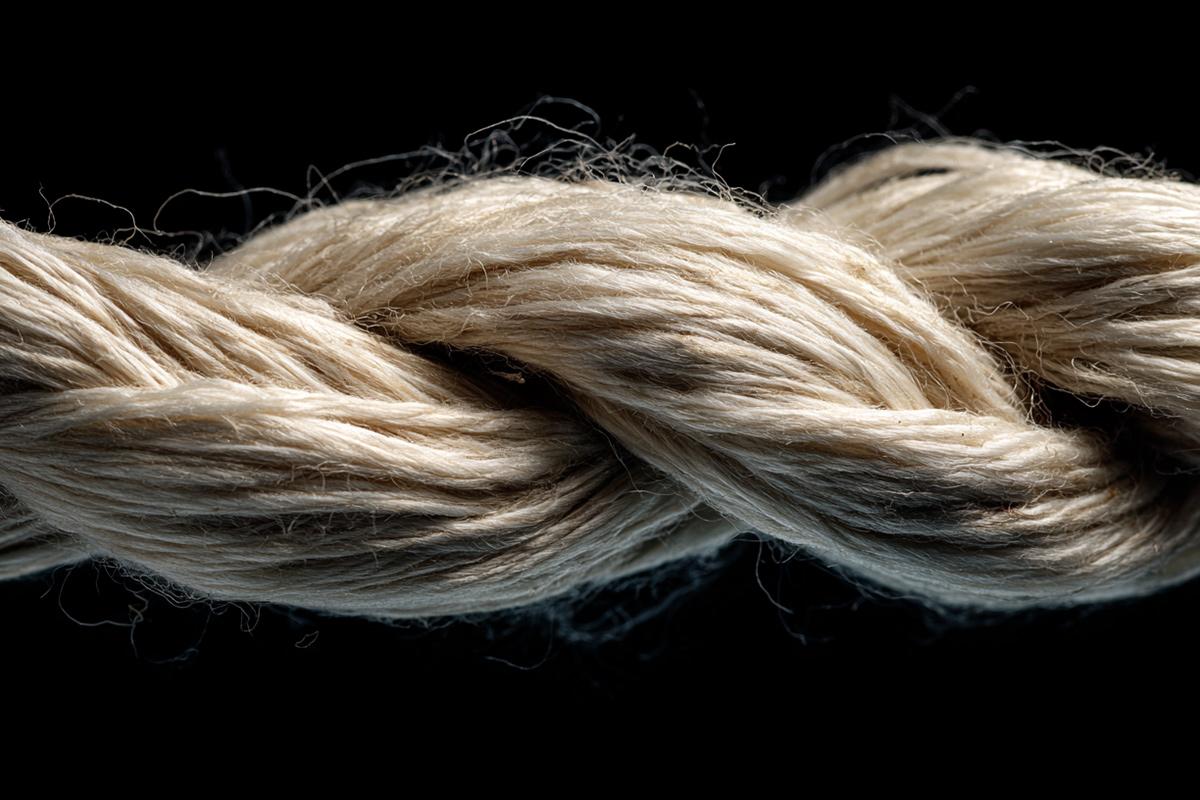
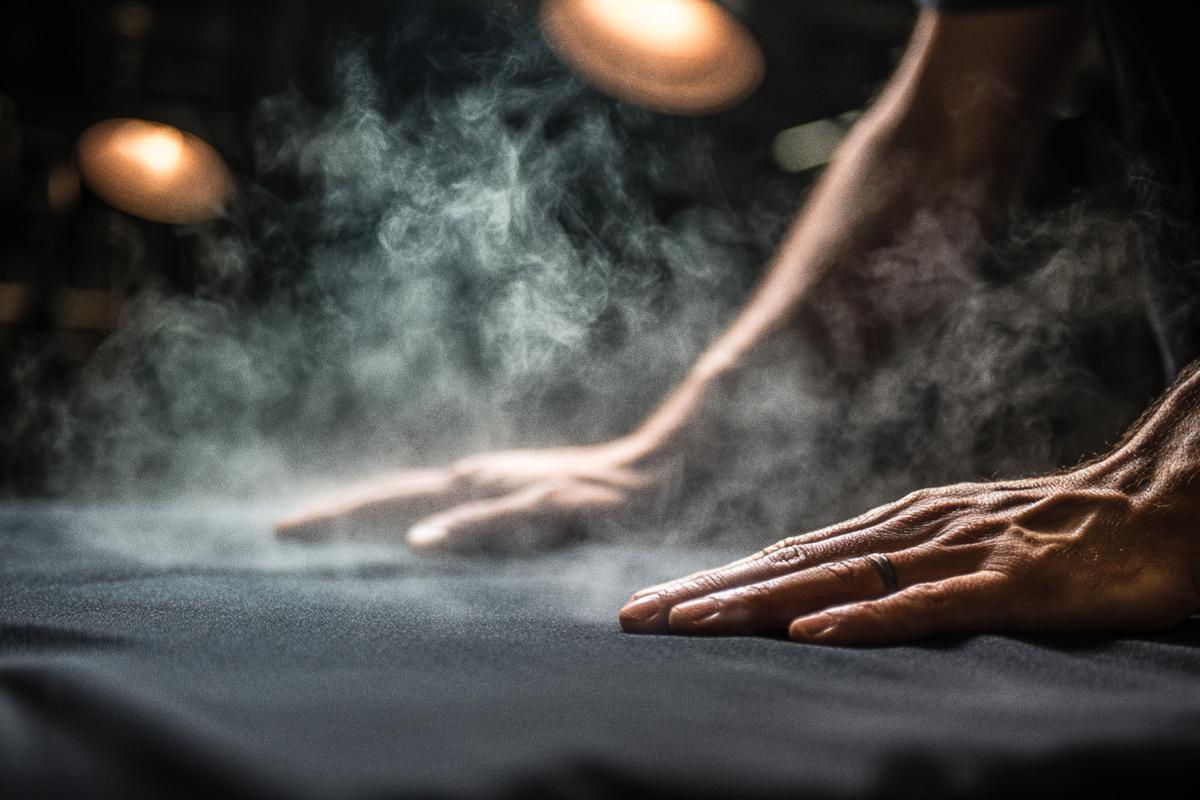
There is a number on every piece of fabric ever made. You've probably never seen it. It matters more than almost anything else in how a garment feels, holds up, and wears over time.
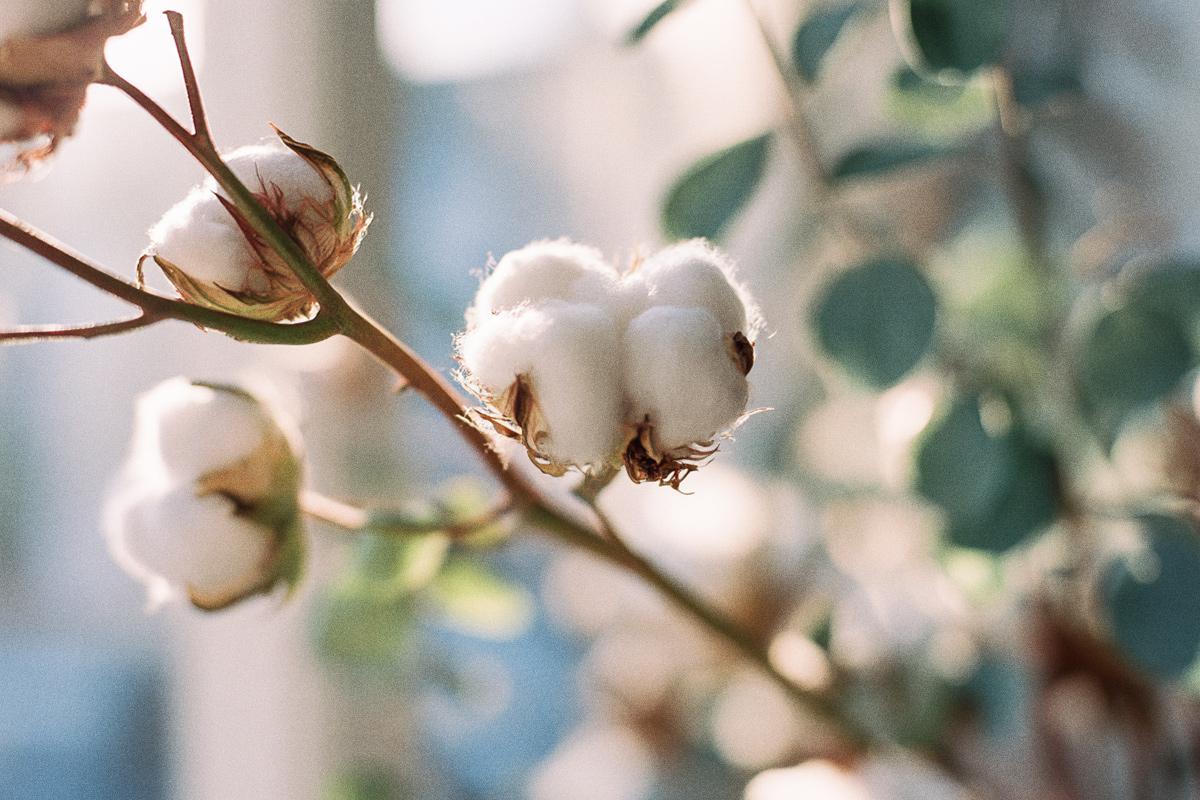
Most brands that claim sustainable cotton leave it at that. A badge. A word. No explanation. The reality of how cotton is grown, certified, and graded is genuinely complicated — and worth understanding if you're paying for something that's supposed to last.

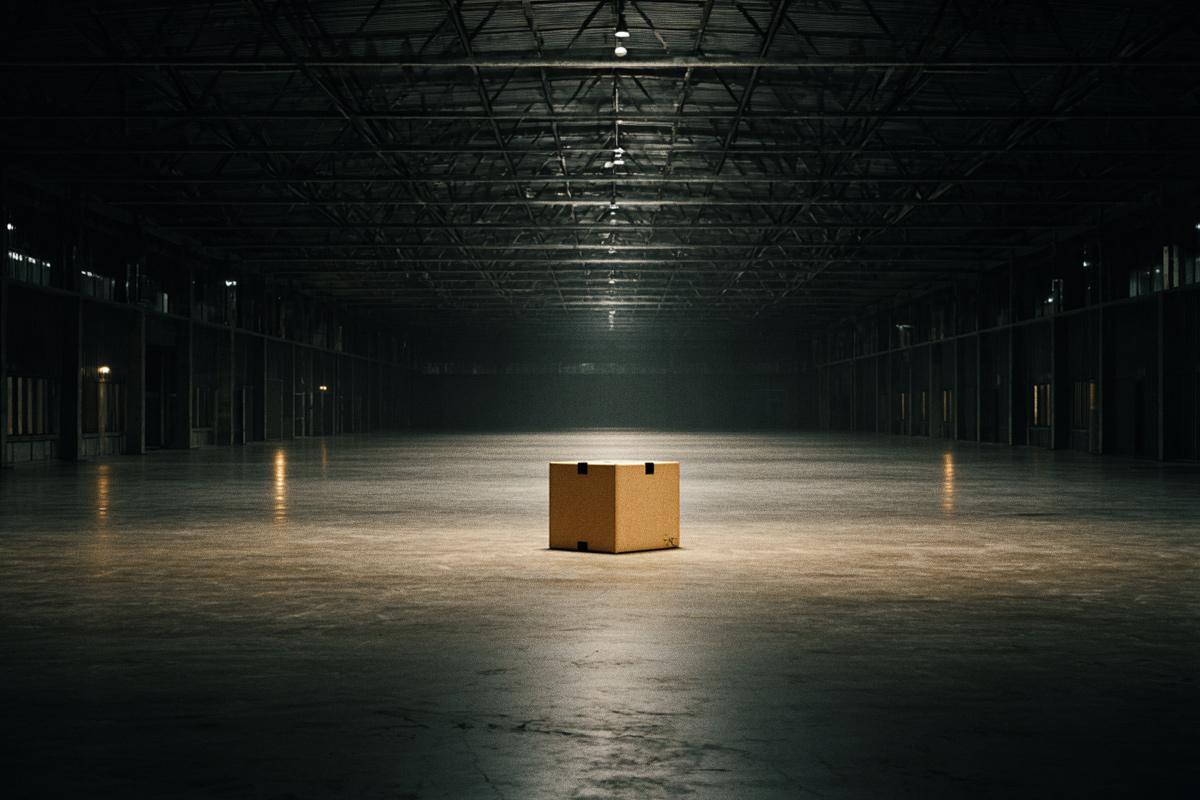
Most clothing brands guess. They project how many units they'll sell, manufacture that volume upfront, and hope they're close. PHAZD works differently.

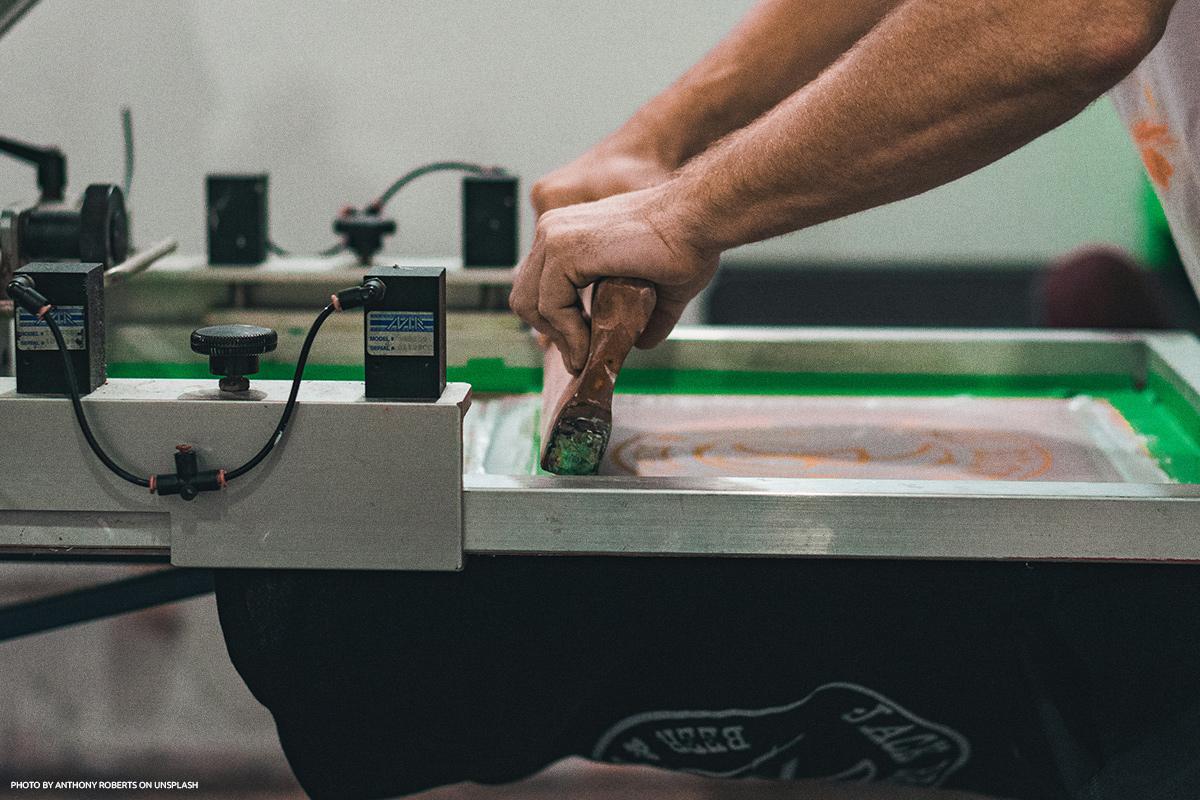
Three methods. Every apparel brand uses at least one of them. Most brands don't explain what they chose or why. Here's what each process actually does to the garment — and why it matters for what you end up wearing.

It's on almost every premium garment label. Most people who buy those garments have no idea what it means. It's not marketing language — it describes a specific manufacturing process that produces a measurably different fiber. Here's what it actually is.

Two garments can use identical fabric and still have completely different lifespans. The difference is in the construction — seams, stitching, finishing. These details are invisible at the point of purchase and obvious after two years of wear.